Endangered Animal Vocabulary in English for Kids
Endangered Animal Vocabulary in English for Kids covers animal names, nature words, and action phrases about protecting species at risk. Children can learn tiger, rhino, habitat, wild, protect, and survive, then practise patterns such as “A tiger lives in the wild.” The goal is language learning without frightening lessons about loss. Use pictures, calm facts, and hopeful actions. If your child speaks two or more languages, accept the animal name they know, then add the English word and a reusable sentence.
📥 Endangered Animals: Vocabulary Practice
Learn useful words and use them in clear sentences
Leave your email — we'll send the PDF to your inbox.No spam — the PDF plus one short reminder. Unsubscribe anytime.
Core Words and Phrases
Teach animal names and related concepts together. Endangered Animal Vocabulary in English for Kids makes sense when children link each noun to a place, action, or description. Conservation status can differ between related species, so never give every whale, turtle, or rhino the same status.
For younger learners, start with tiger, rhino, habitat, wild, protect, and survive. Older children can add conservation, population, poaching, breeding programme, and nature reserve. Define each term in one plain sentence before asking your child to use it.
How to Introduce the Words
Present Endangered Animal Vocabulary in English for Kids through four steps: show, name, move, and speak. Show one picture, say the word, add a gesture, and model a sentence. For orangutan, a child might stretch both arms and say, “The orangutan has long arms.”
Introduce four to six items per session. Mix animal nouns with verbs and places instead of teaching a long row of names. Tiger, forest, live, protect, endangered, and habitat provide enough language for several meaningful sentences.
Help multilingual children connect English words with languages they know. A child can name the animal in another language, find its picture, then repeat the English form. Prior knowledge becomes a bridge while the final speaking task stays in English.
Examples Children Can Use in Context
Sentence frames move children beyond naming cards. Endangered Animal Vocabulary in English for Kids supports patterns such as “A ___ lives in ___,” “It has ___,” “It can ___,” and “People can protect it by ___.” Change one element at a time until the pattern feels secure.
For example: “The orangutan lives in a forest. It has long arms. It can climb. People can protect its habitat.” Separate facts from guesses. Before linking a species to a threat, check a current, trusted conservation source because classifications and local conditions change.
Older learners can connect ideas with because, but, both, and unlike. They might write, “Both animals need safe habitats, but one lives on land and the other lives in the sea.” Comparison builds reasoning without turning the task into a science lecture.
Activities for Different Ages
Match activities to the learner’s age and reading level. Endangered Animal Vocabulary in English for Kids works best with a defined language task: younger children point and speak, middle primary learners sort and describe, and older learners explain or compare.
Keep the task manageable. One accurate card showing an animal, habitat, feature, and protection sentence teaches more than a poster copied from a website. After writing, ask your child to explain the card aloud.
Guess the Animal
Choose one animal without naming it. Give three clues: “It has stripes. It is a wild cat. It lives in Asia.” Your child guesses, chooses another card, and gives the next clues.
Practice Ideas for Home and the Classroom
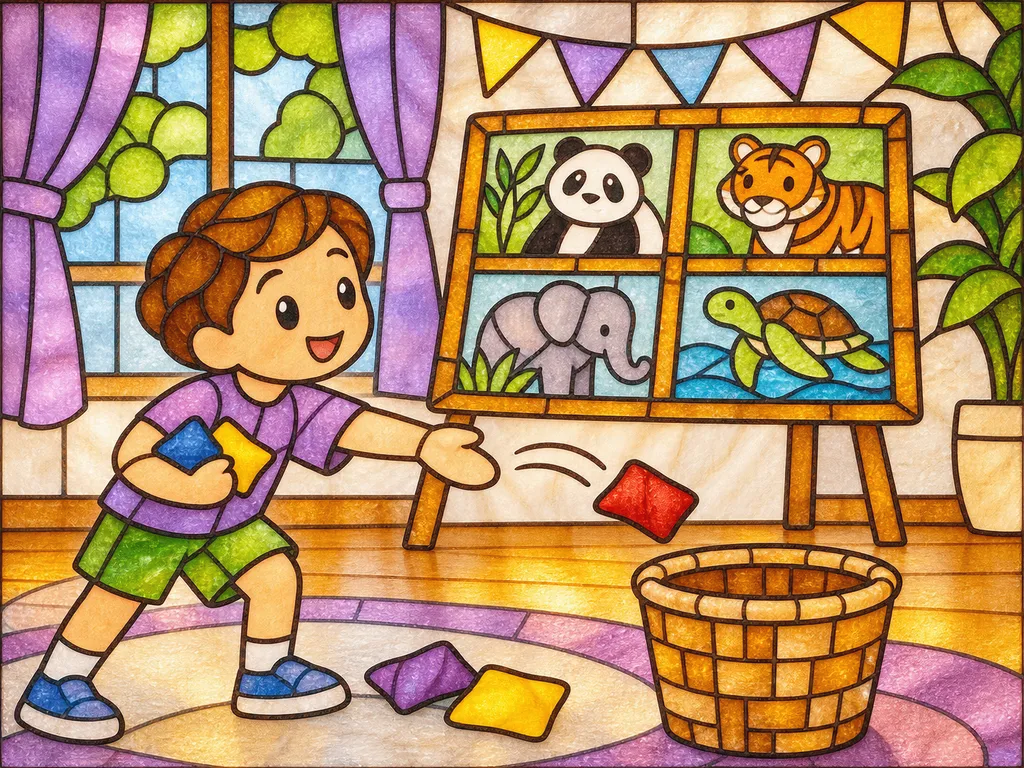
Use a five-minute routine for Endangered Animal Vocabulary in English for Kids. Show three old cards and one new card. Ask your child to name each animal, state one feature, and place it beside a habitat card. Finish by building one complete sentence together.
Try a memory chain for speaking practice. The first player says, “We can protect forests.” The next repeats it and adds an action: “We can protect forests and keep rivers clean.” Stop before the chain becomes hard to remember.
LearnLink tutors can adapt the same vocabulary for different levels. A beginner may match pictures and words; a confident learner can explain a threat, compare habitats, or give a short talk. The topic stays shared while the language task grows with the child.
Common Mistakes and How to Correct Them
Do not treat endangered as a synonym for extinct. An endangered species has living members; an extinct species does not. Use separate picture cards and model the contrast: “The tiger is endangered. The dodo is extinct.” Ask your child to explain the difference in plain words.
Watch the grammar around the adjective. Say “It is endangered” or “It is an endangered animal,” not “It is an endangered.” Practise plural forms too: one rhino, two rhinos; one species, two species. Correct the complete phrase, then let the child repeat it.
Avoid frightening images, invented facts, and broad claims about animal groups. Discuss habitats and practical protection calmly. If your child mixes languages while searching for a word, supply the English form without treating the other language as an error.
- Choose five endangered animals and write one simple English sentence about each.
- Correct pronunciation by listening once, then repeating each animal name slowly.
- Match four animal pictures with their English names, then check answers together.
- Replace vague words like “thing” with precise terms such as “habitat.”
- Review mistakes by rewriting three incorrect sentences with the correct vocabulary.
When a word has several meanings or pronunciations, Cambridge Dictionary is a useful check before turning it into child-friendly examples.
Frequently Asked Questions
How Many New Words Should My Child Learn at Once?
Four to six new items suit one short session, especially for a first-time online learner. Mix animal names with one habitat word and one action word to form a sentence. Review the set on another day before adding more. Older or confident learners may handle a larger set, but accurate use matters more than speed.
Is Endangered Animal Vocabulary Suitable for Young Children?
Yes, with calm facts, pictures, and hopeful actions. Children need no graphic details or long accounts of extinction. Teach that animals need safe homes and protection. Focus on appearance, habitat, abilities, and caring for nature.
How Can I Practise with a Multilingual Child?
Let your child identify the animal or explain an idea in any language first. Then model the English word and build one short sentence together. Endangered Animal Vocabulary in English for Kids strengthens language links instead of replacing them. Picture matching, sorting, and gestures reduce translation while respecting your child’s language knowledge.
How Do We Know Whether an Animal Is Endangered?
Check a current source naming the exact species and conservation status. Avoid old worksheets and broad labels such as turtle or whale because related species can have different classifications. Explain that assessments change when researchers find new evidence. Use verified facts in sentences your child can understand and repeat.
Want to see how these ideas work in a real lesson — try a LearnLink trial lesson.
Stay updated on our latest tips and resources by following us on Instagram LearnLink.